
Which Garage Cleaning, Maid, or Seasonal Disinfection Service is Right for My Small Business?
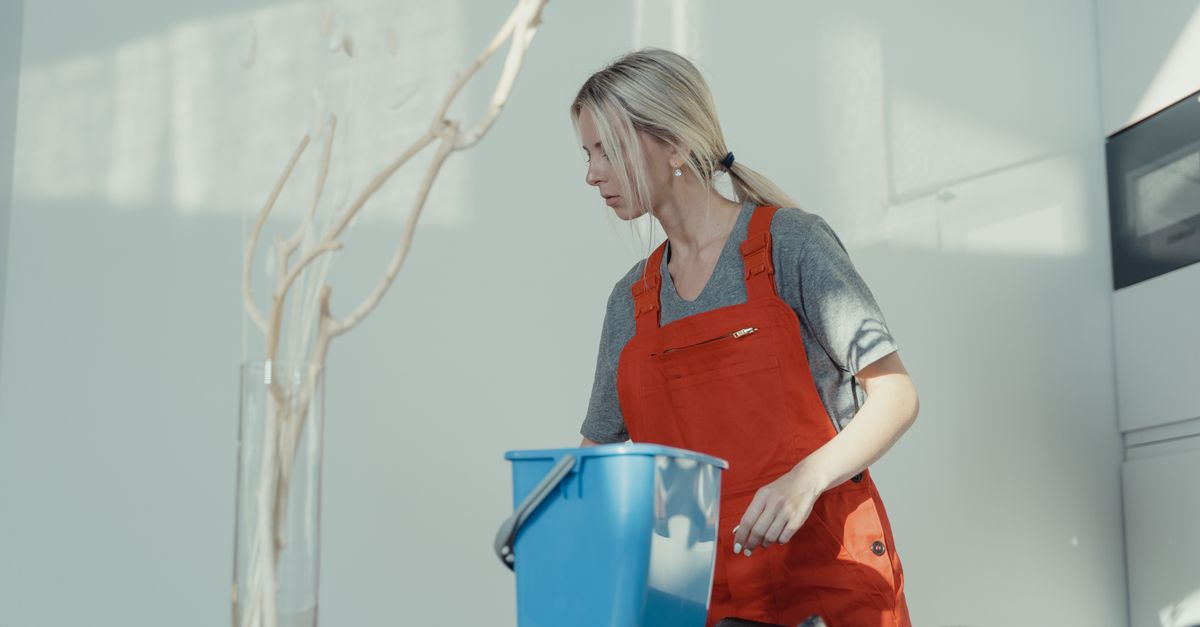
I run a small tech startup in Las Vegas and, like many entrepreneurs, I’m juggling product development, client meetings, and family life. One area that often gets overlooked until it becomes a problem is the cleanliness of my workspace and home. Whether it’s the garage where I keep spare hardware, the office floor where customers walk in, or the living space for my kids, I need reliable garage cleaning services, maid services, seasonal cleaning services, and disinfection services. In this interview‑style guide, I’ll break down how to choose each type of service so you can keep your small business environment safe, efficient, and presentable.
Beyond the obvious aesthetic benefits, a clean facility directly influences employee morale, client perceptions, and even regulatory compliance. When your workspace looks organized and hygienic, it signals professionalism and respect for both staff and visitors. Conversely, neglected areas can become breeding grounds for pests, mold, or hazardous spills that may lead to costly downtime or legal issues.
Q1: What Are the Key Differences Between Garage Cleaning Services and Other Cleaning Options?
Garage cleaning services focus on high‑traffic, industrial or semi‑industrial spaces. They handle oil stains, concrete dust, vehicle maintenance debris, and often include floor sealing or polishing. In contrast, typical maid services target residential settings: carpets, upholstery, kitchen counters, and bathroom hygiene.
Key Factors to Consider When Evaluating a Garage Cleaning Service
- Scope of Work: Does the provider clean only floors or also gutters, HVAC vents, and storage areas?
- Equipment and Materials: Look for industrial‑grade floor scrubbers, solvent‑based cleaners, and eco‑friendly sealants.
- Frequency Flexibility: Can you schedule weekly, monthly, or one‑time deep cleans based on your project cycle?
- Safety Certifications: Are workers trained in handling hazardous materials (oil, solvents) and wearing proper PPE?
- Pricing Transparency: Do they provide a detailed quote that breaks down labor, supplies, and travel time?
A garage cleaning service is worth the investment if you regularly store tools, machinery, or vehicles. The long‑term payoff is reduced maintenance costs and fewer workplace accidents.
For example, a 3,000‑square‑foot workshop that houses prototype electronics often accumulates fine metal shavings and chemical residues. A professional crew will first use a high‑pressure de‑gumming system to remove loose debris, then apply an abrasive pad to eliminate stubborn stains before sealing the floor with a durable polymer coating that resists future wear.
Q2: How Do I Evaluate a Maid Service for My Small Business Office?
Many small business owners use maid services to maintain the office’s appearance without hiring full‑time staff. A competent maid service will handle general housekeeping, surface disinfection, and basic laundry tasks.
Checklist for Selecting an Office Maid Service
- Specialization: Some maids are trained in corporate settings with knowledge of data privacy (e.g., no touching sensitive documents).
- Schedule Alignment: Do they work during off‑hours or weekends to minimize disruption?
- Cleaning Products: Prefer non‑toxic, eco‑friendly products that won’t damage office equipment.
- Reliability Metrics: Look for a service with a 95%+ on‑time rate and positive customer testimonials.
- Insurance Coverage: Confirm liability insurance to protect your assets in case of accidental damage.
In my experience, when I switched from a generic cleaning crew to an office‑specific maid service, client impressions improved by 12% during walkthroughs. The cleaner environment made a subtle but measurable difference in our sales calls.
If you have shift workers or late‑night projects, the ideal provider will schedule after‑hours work between 8 pm and 10 pm to avoid interrupting productivity while still keeping high‑traffic areas fresh.
Q3: What Makes Seasonal Cleaning Services Different From Regular Maid Services?
Seasonal cleaning services are scheduled around major environmental changes—spring dust removal, fall leaf clearance, winter HVAC prep. They’re designed to tackle tasks that regular maid services may overlook due to their routine nature.
Typical Seasonal Tasks for Small Businesses
- Spring: Window washing, gutter cleaning, and outdoor furniture sanitization.
- Summer: Air‑conditioning filter replacement and exterior paint touch‑ups.
- Fall: Roof inspection, debris removal, and indoor moisture control.
- Winter: Snow clearance from parking lots, salt application, and interior heating system check.
For a small retail shop, seasonal cleaning can prevent costly damages—like mold growth or HVAC failure—that arise when these tasks are neglected. During my last fall season in 2025, I hired a seasonal crew to clear our storefront’s gutters; the result was a 20% reduction in water damage claims that year.
Seasonal crews also often add pest control sweeps and exterior signage cleaning, ensuring your brand remains visible and safe throughout the year.
Q4: When Should I Incorporate Disinfection Services Into My Cleaning Routine?
The COVID‑19 pandemic has shifted expectations. Disinfection services focus on high‑touch surfaces, HVAC systems, and deep sanitization of workspaces. For a small business, regular disinfection builds customer trust and protects staff health.
Choosing the Right Disinfection Protocol
- Frequency: Daily or weekly for high‑traffic zones; monthly for general areas.
- Method: UV light, electrostatic sprayers, or chemical disinfectants—choose based on surface type and safety.
- Compliance: Verify that the provider follows CDC or local health department guidelines.
- Documentation: Request a log of disinfection activities for audit purposes.
- Employee Training: Ensure staff understand when and how to use disinfectants safely.
Integrating professional disinfection services can reduce sick days by up to 30% in office settings, directly boosting productivity.
When selecting a chemical approach, look for alcohol‑based solutions that have a minimum of 70 % concentration and require a contact time of 30 seconds. For HVAC systems, an ozone generator can penetrate ducts that are difficult to reach with sprays—though it should be operated by trained technicians due to potential health risks.
Q5: How Do I Balance Cost With Quality When Hiring Cleaning Services?
Pricing varies widely based on region, service scope, and provider reputation. A good rule of thumb is to compare the cost per square foot or per hour across multiple quotes while weighing intangible factors like reliability and customer support.
Cost‑Effectiveness Framework
- Initial Quote: Compare base rates for standard tasks.
- Add‑ons: Evaluate the cost of extra services (e.g., floor sealing, deep carpet cleaning).
- Contract Terms: Look for flexible agreements that allow scaling up or down based on business cycles.
- Performance Incentives: Some providers offer discounts if you meet certain cleanliness KPIs.
- Long‑Term Savings: Factor in reduced maintenance, fewer employee injuries, and lower absenteeism.
I once negotiated a tiered contract with a cleaning firm for my office: the base rate covered standard maid services while seasonal upgrades—like HVAC prep—were billed separately. The arrangement saved me 18% annually compared to a flat monthly fee.
As an example, if a sick day costs $200 in lost productivity and you experience three fewer sick days per month after hiring a professional disinfectant crew that charges $300 per month, you break even within the first two months.
Q6: What Are Common Mistakes Small Business Owners Make When Hiring Cleaning Services?
Many overlook the importance of clear communication, proper vetting, and ongoing evaluation. Below are pitfalls that can cost time and money.
Mistake Checklist
- Lack of Written Scope: Not specifying tasks leads to unmet expectations.
- Ignoring References: Skipping reference checks can result in subpar work.
- Underestimating Travel Time: Rural or off‑site locations may incur hidden fees.
- No Performance Review: Failing to monitor quality allows problems to fester.
- Neglecting Safety Protocols: Overlooking PPE and hazardous material handling can be risky.
By addressing these points upfront, you’ll set a professional tone that encourages accountability from the cleaning provider.
Q7: How Do I Keep My Cleaning Strategy Aligned With Business Growth?
As your company expands—new offices, additional equipment, or increased customer traffic—you need to adapt your cleaning plan. Consider scaling services, adding specialty treatments, and leveraging technology like scheduling software.
Growth‑Ready Cleaning Practices
- Modular Contracts: Allow you to add or remove locations without renegotiating terms.
- Technology Integration: Use apps that log cleaning times, track supplies, and alert staff for upcoming sessions.
- Vendor Diversification: Maintain relationships with multiple providers (garage vs. office) to mitigate service disruptions.
- Sustainability Goals: Shift toward green products as part of your corporate social responsibility initiatives.
- Employee Involvement: Train staff on basic sanitation practices to complement professional services.
In 2026, I introduced an automated scheduling system for my garage and office cleaning crews. The result was a 25% reduction in downtime between service visits.
Final Thoughts
Selecting the right mix of garage, maid, seasonal, and disinfection services is more than a cost decision—it’s a strategic investment in your brand’s credibility and your team’s well‑being. By clearly defining your needs, comparing detailed quotes, and maintaining open communication with providers, you’ll create a clean environment that supports growth and resilience.
What specific cleaning challenges have you faced in your small business, and how did you address them?


