
Should I Hire Monthly Cleaning Services for My Property Portfolio in 2026?
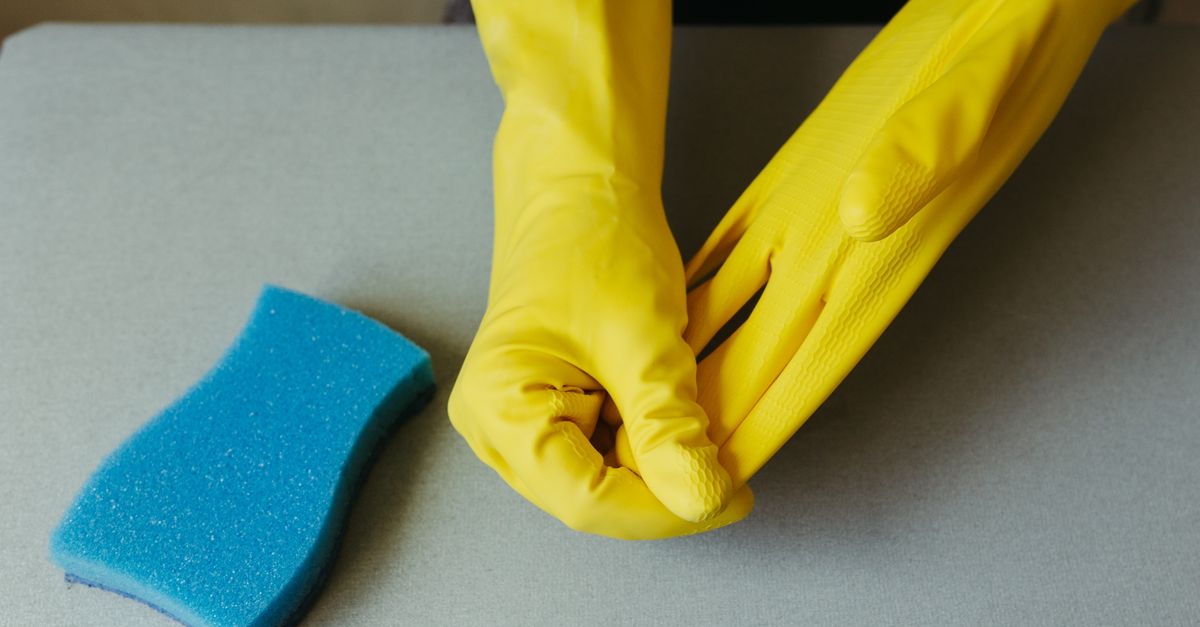
I’ve been managing rental properties for over a decade, and one decision that keeps recurring is whether to outsource cleaning or keep it in-house. The answer isn’t black and white; it depends on the size of your portfolio, tenant expectations, and the specific services you need—especially when you’re looking at monthly cleaning services, eco‑conscious options, pet‑safe solutions, and kitchen hygiene.
Understanding the Scope of Monthly Cleaning Services
A standard monthly cleaning service typically covers high‑traffic areas: hallways, common rooms, bathrooms, entryways, and sometimes kitchenettes. The provider will usually use a set checklist that includes dusting, vacuuming, mopping, trash removal, and basic surface wipe‑downs. For larger complexes, the scope can expand to include window cleaning, carpet shampooing on a quarterly basis, and deep‑cleaning of appliances.
Cost ranges from $0.10 to $0.25 per square foot for commercial properties, but that’s a ballpark figure. The actual price depends on property size, frequency adjustments, and whether you opt for additional services like eco‑friendly products or pet‑safe chemicals.
When evaluating a contract, look at the level of detail in their service agreement: Do they specify cleaning agents? Do they provide a written schedule? A clear scope reduces surprises later.
Detailing the Monthly Checklist
- Common Areas: Vacuum carpets, mop tile or hardwood floors, dust blinds and light fixtures, replace trash liners.
- Bathrooms: Scrub toilets, showers, sinks; clean mirrors; restock hand soap and paper towels.
- Kitchens: Wipe countertops, clean appliance exteriors, sweep floors, empty communal dish racks.
- Entrances & Lobbies: Clean glass doors, polish reception desks, disinfect high‑touch surfaces.
For properties with unique layouts—such as duplexes or mixed-use buildings—you might need to tailor the checklist. Many providers offer a customizable module that lets you add or remove tasks based on your exact needs.
Key Benefits for Property Management
- Consistency: Regular visits keep common areas pristine and reduce tenant complaints.
- Time Savings: You free up staff to focus on maintenance requests or leasing tasks.
- Cost Control: Predictable monthly fees help with budgeting and avoid emergency cleaning expenses.
- Tenant Retention: Cleanliness is a top factor in tenant satisfaction surveys.
Cost vs. ROI Analysis
The return on investment for monthly cleaning services can be measured by reduced turnover, lower maintenance costs from early detection of issues (e.g., mold), and higher rental rates due to premium amenities. In my experience, a well‑executed cleaning program can offset its own cost in less than six months through decreased vacancy.
To quantify ROI, track the following metrics over time:
- Vacancy rate before and after implementing regular cleaning.
- Number of maintenance tickets related to mold or pest infestations.
- Tenant satisfaction scores tied to cleanliness comments.
Evaluating Eco-Conscious Cleaning Services
Eco‑conscious providers use biodegradable detergents, low‑VOC (volatile organic compound) solutions, and equipment that minimizes water usage. For tenants who prioritize sustainability—or for properties with green certifications—this can be a selling point.
The environmental benefit extends beyond the building: reduced chemical runoff protects local waterways, and lower VOC levels improve indoor air quality, which is especially important in high‑density living situations.
Pros & Cons of Switching to Green Cleaners
- Pros: Lower health risks for tenants, potential eligibility for green building incentives, improved brand image.
- Cons: Slightly higher upfront costs, possible need for training staff on new products, and limited availability in some regions.
Checklist for Selecting an Eco-Friendly Provider
When vetting a green cleaning company, confirm their certifications (e.g., Green Seal, EPA Safer Choice), request product safety data sheets, and ask about waste disposal practices. Also verify that they can handle the specific needs of your property—especially if you have high‑traffic kitchens or pet areas.
Example: If your building has a shared kitchenette, look for a provider who offers a “kitchen green kit” that includes enzymatic degreasers and microfiber cloths designed to trap grease without leaving residue.
Importance of Pet-Safe Cleaning in Rental Properties
Pet ownership is on the rise among tenants, but many cleaning agents are toxic to animals and can trigger allergies. A pet‑safe service uses non‑toxic, hypoallergenic products that eliminate odor without harming pets.
Using standard cleaners in a property with dogs or cats often leads to lingering smells, stains, and even damage to carpets due to repeated accidents.
Common Pitfalls with Standard Cleaners and How Pet-Safe Solves Them
- Residual Odors: Pet‑safe chemicals neutralize rather than mask smells.
- Stain Removal:
- Allergy Triggers: Low‑allergen products reduce airborne particles that can cause asthma or eczema.
Best Practices for Maintaining Pet Areas
Implement a biweekly deep clean in areas where pets frequent—basements, storage rooms, and laundry spaces. Use a lint roller or vacuum with HEPA filters to capture fur and dander. Schedule monthly checks on pet bedding for mold.
Integrating Pet-Safe Protocols into the Monthly Routine
Ask your provider to include an “animal-friendly” checkbox in their checklist. This ensures that high‑traffic dog parks, litter boxes, or cat condos receive extra attention each month. For larger complexes, consider a quarterly “pet area deep clean” where they use specialized equipment like steam cleaners with pet-safe disinfectants.
The Kitchen: A High-Maintenance Zone
Kitchenettes in apartment complexes are notorious for grease buildup, food residue, and potential mold growth around vents. If the kitchen isn’t cleaned properly, it can become a health hazard and a source of tenant complaints.
Monthly cleaning typically covers countertops, sinks, cabinets, and appliances; however, deeper tasks—like degreasing range hoods or sanitizing under appliances—are often done quarterly.
Strategies for Routine Kitchen Cleaning in Multi-Family Units
- Pre-emptive Grease Removal: Use a commercial degreaser once a month before the deep clean to prevent buildup.
- Vent Maintenance: Schedule a quarterly inspection of ventilation systems to avoid fire hazards.
- Food Safety Checks: Verify that all surfaces meet FDA guidelines for food contact in the next audit cycle.
Tools & Products That Deliver Consistency
Invest in a commercial-grade mop with microfiber heads, a UV sanitizing device for countertops, and an automatic dish scrubber if you have communal areas. Pair these tools with eco‑friendly or pet‑safe cleaning agents to align with the rest of your service strategy.
Example: A 6‑month cycle that alternates between a “basic wipe‑down” every month and a “deep clean” (including vent filter replacement) on months two, four, and six can keep kitchens within code without overloading staff.
Choosing the Right Service Provider
The decision should be data-driven: compare quotes, read independent reviews, and evaluate their track record in similar properties. Pay attention to their response time for emergency cleanups—sometimes a quick turnaround can prevent a lease break.
Questions to Ask Before Signing
- What cleaning agents do you use, and are they eco‑friendly or pet‑safe?
- Can you provide references from comparable multi-family properties?
- Do you have insurance that covers accidental damage?
- What is your protocol for handling complaints or missed areas?
Red Flags and How to Avoid Them
A vague scope, no written contract, or a lack of certifications should raise concerns. Also watch out for providers who offer the lowest price but have poor reviews on tenant satisfaction.
Tip: Ask for a sample service agreement before signing. It should outline each task, frequency, and responsible personnel. A well‑structured contract protects both parties and sets clear expectations.
Common Mistakes Property Managers Make With Cleaning Services
Underestimating frequency can lead to mold and pest issues; ignoring pet considerations can drive tenants away; failing to monitor performance metrics can result in subpar service.
How to Optimize Your Cleaning Schedule
- Align cleaning frequency with tenant usage patterns—high-traffic months may need more frequent visits.
- Use a digital checklist that logs each task completed and notes any anomalies.
- Schedule quarterly deep cleans for kitchens, vents, and carpets to keep maintenance costs low.
- Review performance metrics every six months and adjust the contract accordingly.
Adding Flexibility for Seasonal Peaks
Consider a “seasonal surge” clause in your agreement that allows the provider to add extra visits during spring cleaning or summer tenant move‑in periods. This proactive approach can prevent last‑minute rushes and keep tenant satisfaction high.
Conclusion & Takeaway
Monthly cleaning services are not a one-size-fits-all solution. The right mix of eco-conscious, pet-safe, and kitchen-focused cleaning can elevate tenant satisfaction, reduce turnover, and protect your investment. By setting clear expectations, choosing certified providers, and monitoring performance, you’ll create a maintenance plan that scales with your portfolio.
In practice, start by mapping out each unit’s unique needs—pet-friendly zones, high‑traffic kitchens, or shared lobbies—and then match those needs to provider specialties. Over time, use the data collected from digital checklists and tenant feedback to refine the schedule and services offered.
What challenges have you faced when integrating eco‑friendly or pet‑safe cleaning into your property management routine?


