
How to Choose a Post‑Renovation Cleaning Service That Delivers High-Quality Results
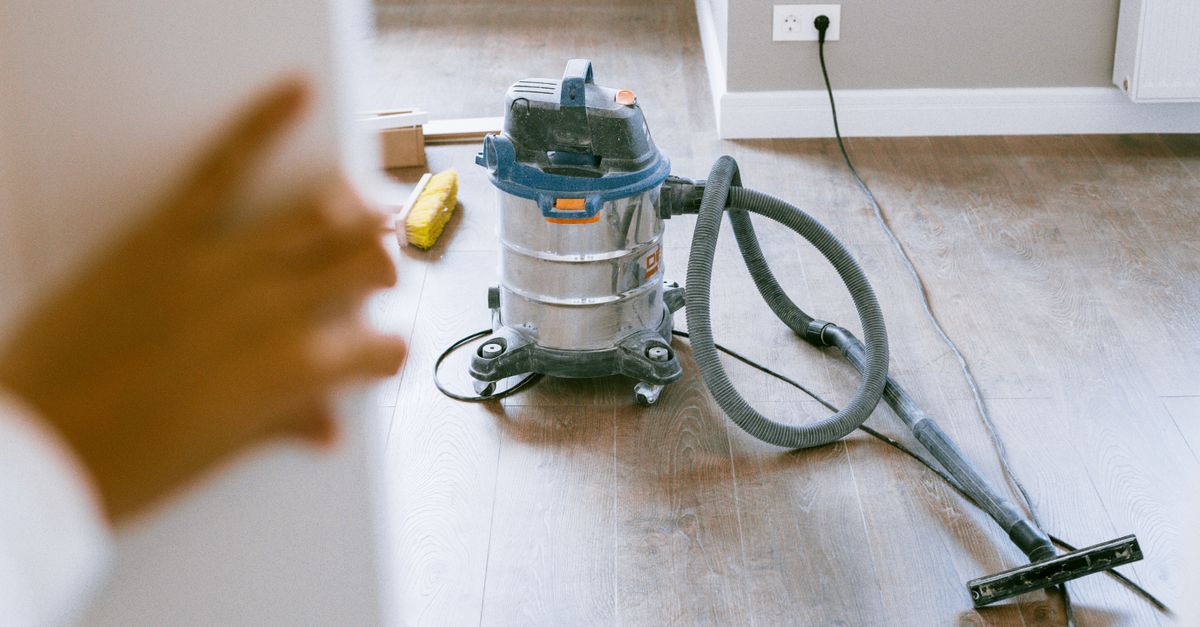
I’ve spent years building systems that cut through noise and deliver real value. When a renovation wraps up, the next step is usually one of the most overlooked: cleaning. The surface finish looks flawless, but dust, paint chips, and hidden debris can ruin the aesthetic and even pose health risks. In this guide I’ll walk you through what to expect from post‑renovation cleaning, how it differs from hoarding cleanup or luxury home maintenance, why pressure washing matters, and how to pick a provider that guarantees high‑quality results.
Understanding Post‑Renovation Cleaning Needs
After the contractors have moved out, the house is left in a state that’s technically “clean” but not truly ready for occupancy. The goal of post‑renovation cleaning is to restore every surface to a pristine condition, removing dust, paint residues, and any hazardous materials left behind.
Key Areas That Require Attention
- Dust accumulation on walls, ceilings, and baseboards
- Cleaning of HVAC vents and ductwork to prevent airborne particles
- Pressure‑washing exterior surfaces like siding, driveways, and patios
- Sanitizing bathrooms and kitchens for food safety
- Removing any biohazardous waste from demolition or construction sites
- Final inspection of all rooms with a professional checklist
In my experience, failing to address even one of these areas can lead to complaints from homeowners and costly re‑cleaning jobs later on.
Key takeaway: Post‑renovation cleaning is not a “quick sweep”; it’s a comprehensive, multi‑step process that must cover every surface and potential hazard.Key Service Components and What to Expect
A reputable cleaning service will break down the job into clear stages, each with its own set of tools and techniques. Knowing what you’re paying for helps prevent hidden fees and ensures accountability.
Typical Stages in a Post‑Renovation Cleaning Package
- Pre‑inspection: baseline assessment and custom plan creation
- Interior dusting & vacuuming with HEPA filters
- Surface wiping using solvent‑based cleaners for paint residues
- Window cleaning (inside and out) to remove smudges and fingerprints
- Floor polishing or sealant application where needed
- HVAC filter replacement and duct cleaning
- Exterior pressure washing of all accessible surfaces
- Final walkthrough with the homeowner for sign‑off
Each step should be documented, and clients typically receive a detailed report. If a provider skips any stage or uses subpar equipment, you’ll end up paying more in the long run.
Hoarding Cleanup vs Regular Cleaning: When to Choose Which
Some homeowners misinterpret “post‑renovation cleaning” as equivalent to hoarding cleanup. While both involve deep cleaning, hoarding situations are far more complex and hazardous. Understanding the distinction is critical when selecting a service.
Primary Differences Between Hoarding Cleanup and Post‑Renovation Cleaning
- Scope: Hoarding cleanup addresses clutter that has accumulated over years; post‑renovation focuses on construction debris.
- Hazard level: Hoarding sites often contain mold, asbestos, or pests; renovation sites rarely do.
- Regulatory requirements: Hoarding cleanouts may require permits and specialized disposal methods.
- Duration: Hoarding cleanup can take weeks to months; post‑renovation jobs typically finish in a few days.
- Psychological support: Hoarding cleanups often include behavioral counseling; not needed for renovation cleanups.
- Disposal volume: Hoarding generates large volumes of mixed waste; renovation waste is usually more predictable.
- Insurance considerations: Some insurers cover hoarding cleanup differently than post‑renovation work.
If you’re unsure whether your situation leans toward a hoarding scenario, ask the provider for an assessment. A qualified service will clearly state which type of cleanup they specialize in.
Luxury Home Cleaning Standards
A luxury property demands higher standards than a standard home: meticulous attention to detail, use of premium cleaning agents, and often a concierge‑style approach. Luxury home cleaning is about preserving the investment rather than just removing dust.
What Sets Luxury Cleaning Apart
- Use of non‑abrasive, environmentally safe products that protect finishes.
- Specialized equipment for delicate surfaces such as marble or custom woodwork.
- Full-service approach including window washing, floor waxing, and upholstery care.
- Scheduled maintenance plans to keep the home pristine year‑round.
- Security protocols: background checks on staff, secure access logs.
- Transparent reporting with before/after photos for client peace of mind.
- Customized cleaning schedules that respect homeowners’ lifestyles.
- High-touch customer service, including a dedicated account manager.
When you’re working with a luxury homeowner, the cost is often justified by the level of trust and expertise required. In my experience, clients who invest in top‑tier services rarely regret it; they appreciate the peace that comes from knowing every surface has been treated to exacting standards.
Pressure Washing Services: Role in Post‑Renovation
Exterior surfaces are often neglected after a renovation. Pressure washing restores curb appeal, removes paint overspray, and eliminates bio‑hazardous contaminants like mold or mildew that thrive on damp siding.
Benefits of Professional Pressure Washing
- Rapid removal of stubborn stains without damaging the substrate.
- Improved air quality by eliminating airborne spores from exterior walls.
- Prevention of future paint peeling and structural damage.
- Enhanced resale value through a cleaner, more attractive façade.
- Compatibility with eco‑friendly detergents that reduce runoff pollution.
- Ability to reach hard‑to‑access areas such as gutters or rooflines.
- Extended lifespan of exterior finishes by keeping them clean.
- Compliance with local codes for maintaining property appearance.
Integrating pressure washing into your post‑renovation plan is a smart investment. It often saves money on future repairs and keeps the home looking brand new longer.
Choosing the Right Provider: Criteria to Evaluate
Selecting a cleaning service isn’t just about price; it’s about ensuring quality, reliability, and safety. Below is a practical checklist I use when vetting potential partners.
Evaluation Checklist for Post‑Renovation Cleaning Companies
- Licensing & insurance: Verify all necessary permits and liability coverage.
- Experience with renovation cleanups specifically (not just general housekeeping).
- Specialization in luxury or high‑end properties, if applicable.
- Use of certified eco‑friendly cleaning agents.
- Equipment quality: HEPA vacuums, pressure washers, and surface‑safe tools.
- Transparent pricing with itemized estimates.
- Clear communication protocol (point of contact, updates).
- Positive client references or case studies.
- Post‑job satisfaction survey or guarantee clause.
Ask each candidate to walk you through a sample project. The level of detail they provide will indicate their professionalism and commitment to quality.
Cost Considerations and Budgeting
While the headline numbers can vary widely, understanding the components that drive cost helps you avoid surprises.
- Labor hours: Typically 6–12 hours per room depending on size and debris level.
- Materials: High‑grade cleaners, protective gear, and specialized equipment add to the bill.
- Travel & logistics: If the property is far from the provider’s base, expect a surcharge.
- Disposal fees: Hazardous waste removal can be significant.
- Insurance premiums: Premium providers may include higher insurance costs in their rates.
As a rule of thumb, budget roughly $1.50–$3 per square foot for post‑renovation cleaning. For luxury homes, the upper end is common due to the specialized services offered. Always request a detailed quote and compare multiple providers before signing.
Common Mistakes Homeowners Make
Even with a solid plan, homeowners sometimes slip into pitfalls that compromise results.
- Underestimating the time required: Rushing can lead to incomplete cleaning.
- Ignoring hidden areas: Baseboards, behind appliances, and inside closets often get missed.
- Choosing the cheapest option: Cost savings may be offset by re‑cleaning or damage.
- Lack of a final walkthrough: Without it, issues can go unnoticed until after move‑in.
- Not checking for hazardous materials: Paint chips can contain lead or asbestos.
A seasoned provider will flag these risks and provide solutions upfront. In my experience, clients who ask detailed questions about each step usually end up with a cleaner that meets their expectations.
DIY Tips for Maintaining Cleanliness Post‑Renovation
If you’re inclined to do some of the work yourself or want to keep the home clean between professional visits, here are actionable steps.
- Use microfiber cloths and HEPA vacuums for daily dust control.
- Apply a protective sealant on new hardwood floors after the initial cleaning.
- Set up a routine schedule: deep clean once every six months, surface wipe‑down weekly.
- Keep windows and vents clear of debris to maintain HVAC efficiency.
- Store cleaning supplies in sealed containers to avoid mold growth.
These habits reduce the frequency and intensity of professional cleanings over time, saving money while preserving your investment’s value.
Wrap‑Up
Post‑renovation cleaning is a critical phase that can make or break the quality of your finished project. By understanding what to expect from services—whether it’s standard cleanup, luxury maintenance, hoarding clearance, or pressure washing—you can choose a provider that delivers high‑quality results without hidden costs.
Remember: a thorough inspection, clear communication, and a detailed checklist are your best tools for avoiding costly mistakes. With these principles in place, you’ll enjoy a spotless home that truly reflects the hard work of your renovation team.
What is the most surprising element you discovered during a post‑renovation cleaning process?


