
How Do I Choose a Hoarding Cleanup Service That Delivers Fast, High‑Quality Commercial Cleaning in 2026?
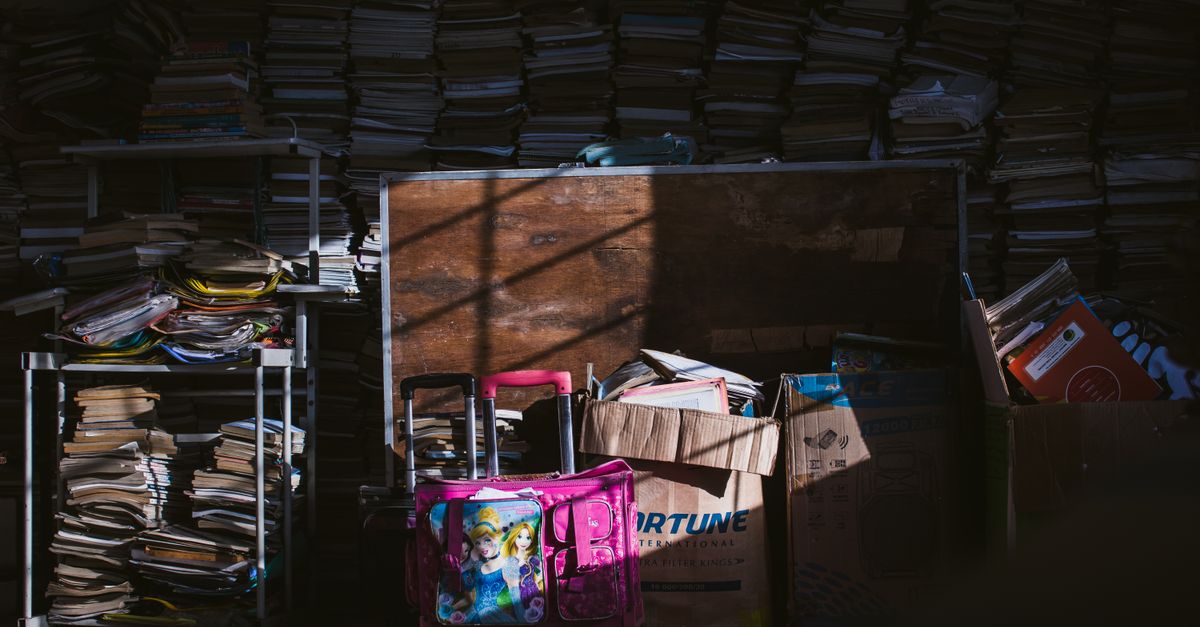
When a business faces hoarding conditions—whether accidental or intentional—the need for professional cleanup becomes urgent. You’re not just looking for a clean surface; you need a solution that restores functionality, meets health and safety standards, and does so quickly without compromising quality. This guide breaks down the essential criteria and practical steps to help you make an informed decision in 2026.
1. Understanding the Scope of Hoarding Cleanup vs. Regular Commercial Cleaning
At first glance, hoarding cleanup and standard commercial cleaning might seem interchangeable: both aim to remove dirt and clutter. However, hoarding cleanup involves a complex mix of decontamination, hazardous material handling, emotional support for occupants, and extensive restoration work. Commercial cleaning typically focuses on routine maintenance—vacuuming, dusting, restroom sanitation—without the depth required for hoarded spaces.
If your facility has accumulated years of unmanaged items, you’ll need a provider trained in both environmental health protocols and sensitive client engagement. Recognizing this distinction early prevents costly missteps later.
Key Differences to Note
- Scope of work: Deep decontamination vs. surface cleaning
- Regulatory compliance: OSHA, EPA, local health codes
- Psychological support: Handling occupant emotions and resistance
- Restoration services: Structural repairs, paint, HVAC cleaning
Consider a scenario where a warehouse has been used as an informal storage space for years. The accumulation of cardboard boxes, broken machinery, and dust has created a breeding ground for mold spores that can trigger respiratory issues in staff. A routine commercial cleaner might remove visible debris but would leave behind hidden contaminants. In contrast, a hoarding cleanup team will conduct a thorough inspection, map out contaminated zones, and use specialized equipment to neutralize biohazards.
Beyond the physical hazards, regulatory bodies often require documentation of remediation steps. For example, OSHA’s Hazardous Materials Management standard (29 CFR 1910.1201) mandates that any site with suspected asbestos or lead paint be inspected by certified professionals before general cleaning can resume. This level of compliance is rarely part of a standard commercial cleaning contract.
Emotionally, occupants may feel defensive about their belongings. A skilled provider will employ trained counselors or social workers to facilitate discussions, ensuring the cleanup process respects personal boundaries while prioritizing safety.
2. Key Qualities to Look for in a Fast and Reliable Cleaning Provider
A provider’s speed is only valuable if it doesn’t erode quality or safety. Reliability comes from proven protocols, skilled staff, and transparent communication.
Ask about certifications (e.g., IICRC for remediation), insurance coverage, and their disaster recovery track record. A reliable company will provide a detailed project plan with timelines and checkpoints.
Qualities That Signal Trustworthiness
- Certified remediation credentials (IICRC, OSHA)
- Full liability and workers’ compensation insurance
- Client testimonials and case studies
- Clear communication channels (project manager contact)
- Flexible scheduling to accommodate business hours
- Transparent pricing with no hidden fees
An example of effective communication is a provider that assigns a dedicated project manager who sends daily status updates via email and offers real‑time messaging through a secure portal. This approach keeps stakeholders informed, reduces the risk of misunderstandings, and accelerates decision‑making when adjustments are needed.
Insurance verification should include proof of coverage limits that exceed potential liability scenarios—especially when dealing with hazardous waste removal where fines can reach into the tens of thousands. A company that provides a copy of their certificate of insurance before work begins demonstrates professionalism and safeguards your organization from unexpected claims.
3. Evaluating High‑Quality Cleaning Results: What Standards Matter
High‑quality results mean more than a spotless floor; they involve measurable cleanliness and health safety benchmarks.
Request evidence of compliance testing—air quality reports, mold spore counts, or allergen levels—post-cleanup. Quality assurance should include follow‑up inspections and documentation that the space meets or exceeds local health department standards.
Standards to Verify
- Mold remediation certification and post‑remediation testing
- Airborne particulate counts below EPA limits
- HVAC filter replacement schedules
- Surface disinfection efficacy (ATP tests)
- Documentation of hazardous material handling
For instance, after completing the cleanup, a reputable firm will provide an Air Quality Index report showing particle concentration levels below 0.5 µg/m³, which is within acceptable limits for commercial environments. Such documentation not only assures you of compliance but also protects your business from potential legal claims.
In addition to testing, a high‑quality provider will supply a remediation report that details every step taken—from containment setup and decontamination protocols to final verification. This record becomes invaluable if future inspections or insurance audits arise.
4. How to Assess Quick Turnaround Capabilities Without Sacrificing Quality
A quick turnaround is critical when downtime affects revenue or employee safety. However, speed should never replace thoroughness.
During the evaluation phase, ask for a detailed timeline: from initial assessment to final inspection. Ensure that each phase—decontamination, sorting, disposal, restoration—is allotted sufficient time based on the site’s condition.
Indicators of Efficient Turnaround
- Dedicated project team with defined roles
- Pre‑packed equipment and supplies for rapid deployment
- Real‑time progress tracking (digital dashboard)
- On‑site supervisor with decision authority
- Clear escalation path for unexpected issues
A practical example: a provider schedules a 48‑hour mobilization window after the initial assessment, allowing them to bring in specialized containment units and initiate decontamination before the next business day. By contrast, a contractor that requires a week’s notice may delay operations unnecessarily.
Modular workstations can further streamline the process. When a cleanup team arrives equipped with pre‑assembled containment tents, dehumidifiers, and sampling kits, they eliminate setup time that would otherwise be spent transporting individual components from storage.
5. Cost Considerations and Value Metrics for Hoarding Cleanup Services
Pricing models vary: some providers charge a flat fee, others bill hourly or per square foot. A cost‑effective choice balances price against the breadth of services included.
Beware of “cheap” offers that exclude critical steps such as hazardous waste disposal or post‑cleanup testing. Compare quotes side‑by‑side, noting what each covers—equipment rental, labor, disposal fees, and follow‑up inspections.
What to Include in Your Cost Analysis
- Total labor hours versus projected workload
- Disposal costs for hazardous and non‑hazardous waste
- Equipment depreciation or rental charges
- Insurance premiums and liability coverage limits
- Post‑cleanup testing and certification fees
Beyond raw numbers, evaluate the return on investment. A higher upfront cost may reduce long‑term expenses by preventing health incidents, insurance claims, or future remediation needs. A simple formula is to compare the cleanup cost against projected revenue loss during downtime; a well‑executed project can bring that loss back into the budget faster.
Some companies offer bundled packages that include preventive maintenance plans—quarterly HVAC checks and annual mold inspections. When factoring these into your analysis, you may discover that an initially higher price point yields greater cumulative savings over five years.
6. Common Mistakes Businesses Make When Hiring Cleaning Services
Even well‑intentioned companies can fall into pitfalls that compromise safety, quality, or budget.
Below are frequent errors to avoid when selecting a hoarding cleanup provider.
Top Mistakes to Avoid
- Choosing the cheapest bid without evaluating scope coverage
- Neglecting to verify credentials and insurance status
- Failing to request detailed project plans and timelines
- Underestimating the need for post‑cleanup testing
- Overlooking client references or past case studies
Another subtle mistake is assuming that a provider’s marketing materials alone guarantee performance. Always cross‑reference claims with independent verification, such as third‑party certifications or recent project audits.
A final caution: avoid contracts that lack clear milestones. Without defined checkpoints, the risk of scope creep and unexpected costs rises significantly.
7. Practical Steps to Vet and Hire a Provider in 2026
Following a structured approach ensures you select the right partner for your business needs.
- Define Scope: Document the extent of hoarding, hazardous materials, and desired restoration outcomes.
- Request Credentials: Verify IICRC certification, OSHA compliance, and insurance coverage.
- Collect Detailed Quotes: Ask for itemized cost breakdowns and timelines.
- Interview Candidates: Assess project management experience and on‑site communication plans.
- Check References: Contact previous commercial clients to confirm quality and reliability.
- Finalize Contract: Include milestone payments, performance guarantees, and contingency clauses.
By systematically evaluating each criterion, you’ll reduce risk and secure a provider that delivers fast, reliable, high‑quality results.
8. My Personal Experience with Commercial Hoarding Cleanup Providers
In my experience, the most successful hires were companies that offered a comprehensive remediation package—certification, detailed timeline, and post‑cleanup testing—paired with clear communication channels. A provider that could mobilize within 48 hours after assessment made the difference between a two‑day downtime and an eight‑day shutdown. Key takeaway: The fastest turnaround is only beneficial if it comes from a certified, insured provider that follows rigorous remediation standards and delivers documented post‑cleanup compliance. What challenges have you faced when selecting a hoarding cleanup service for your business, and how did you overcome them?9. Post‑Cleanup Maintenance Tips to Preserve Cleanliness
A thorough cleanup is only the first step toward a healthy workspace. Ongoing maintenance ensures that the environment remains safe and productive.
- Regular Inspections: Schedule monthly walkthroughs to spot early signs of clutter or moisture buildup.
- HVAC Maintenance: Replace filters quarterly and have ducts inspected annually to prevent mold re‑growth.
- Employee Awareness: Train staff on proper waste segregation, reporting protocols for spills, and the importance of keeping shared spaces tidy.
- Establish a clean‑up policy that designates responsibilities for each department, ensuring accountability.
- Maintain an inventory log for high‑use items—such as cleaning supplies—to prevent overstocking and potential hoarding behaviors.
Adding routine surface disinfection during peak seasons can further reduce airborne pathogen levels. Consider installing low‑maintenance air purifiers in high‑traffic zones; these devices can capture fine particulates without the need for constant filter changes.
By integrating these practices into your routine operations, you create a culture of cleanliness that complements the professional cleanup’s long‑term benefits. Regular training refreshers and visible reminders—such as poster graphics or digital dashboards—reinforce the standard and keep everyone engaged in sustaining a safe environment.


