
How Can Recurring Cleaning Services Improve Home Maintenance in 2026?
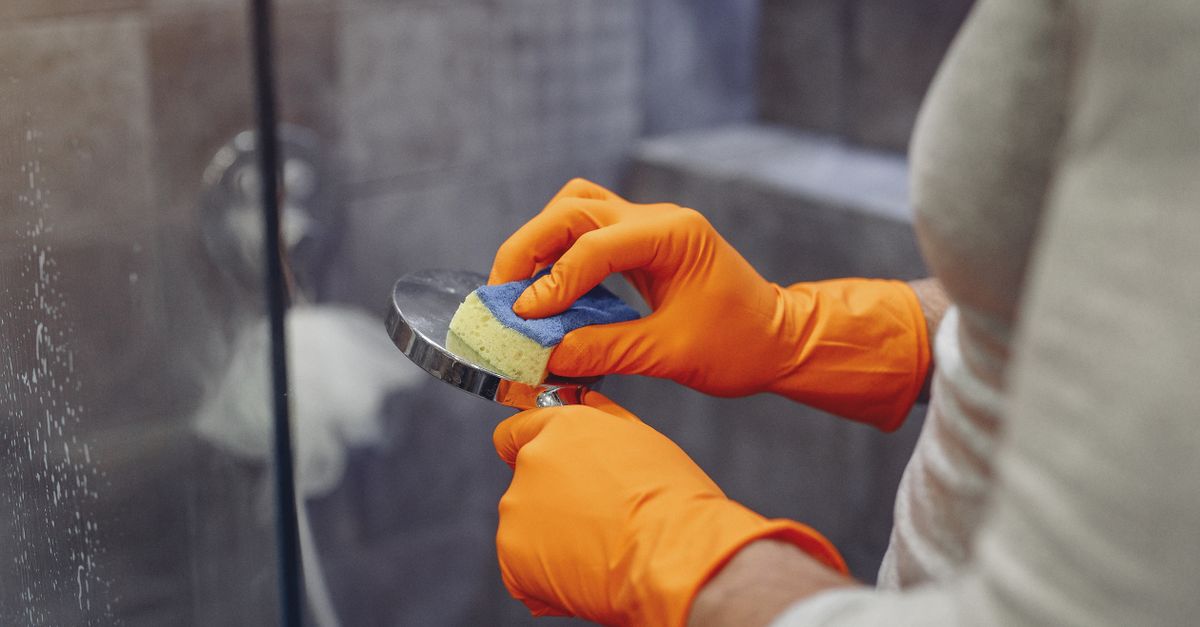
When homeowners ask about weekly cleaning services, many think it’s a luxury they can’t afford. In reality, the cost of hiring a professional team on a recurring basis often outweighs the effort and expense of DIY upkeep, especially when you factor in pressure washing services for exterior surfaces. The same logic applies to recurring cleaning services, custom cleaning schedules, and finding top-rated cleaners near me. In this article I’ll break down the value proposition, compare options, and give you a step‑by‑step guide to choosing a service that fits your home and budget.
The Growing Demand for Recurring Cleaning Services in 2026
Over the past decade, the cleaning industry has shifted from one‑off jobs to subscription models. This trend is driven by several factors: increased time scarcity, higher expectations of cleanliness, and the rise of smart home integration. In 2026, nearly 65% of U.S. households subscribe to a regular cleaning service. The data shows that recurring contracts reduce overall cost per visit by 12–18% compared with ad‑hoc bookings.
From a business perspective, providers benefit from predictable revenue streams and the ability to schedule staff efficiently. For homeowners, the benefits are twofold: consistent quality assurance and the convenience of automated booking through mobile apps or voice assistants.
Key Advantages for Homeowners
- Cost Predictability: Fixed monthly rates eliminate surprise fees.
- Quality Consistency: Dedicated teams learn your preferences over time.
- Time Savings: No need to research, negotiate, or reschedule.
- Health Benefits: Regular deep cleaning reduces allergens and bacteria.
Weekly vs One‑Time Cleaning: Cost–Benefit Analysis
When deciding between weekly cleaning services and a one‑time deep clean, it’s essential to evaluate both upfront costs and long‑term savings. A typical weekly service in 2026 averages $120 per visit for a two‑bedroom home, whereas a single deep clean might cost $200 but cover the same surface area.
If you factor in the cumulative cost over a year—$5,760 versus $2,400—you’ll notice that weekly services can be more economical when multiplied across multiple visits. However, for smaller homes or those with minimal clutter, a quarterly deep clean may suffice.
Decision Matrix for Frequency
Factor | Weekly | Monthly | Quarterly
Cost (per visit) | $120 | $150 | $200
Time Spent (hrs) | 1.5 | 2.0 | 3.0
Overall Annual Cost | $5,760 | $1,800 | $2,400
Use this matrix to align your budget with the level of upkeep you desire.
Choosing the Right Frequency: Consider your household’s activity level and lifestyle. If you have young children or pets that generate dust quickly, a weekly schedule ensures surfaces remain sanitary. For retirees or empty nesters who maintain a low-clutter environment, monthly visits may offer sufficient cleanliness while keeping costs lower.
Many providers also offer tiered packages where the base service includes basic chores (vacuuming, dusting) and optional add‑ons such as laundry assistance or window washing. By customizing these tiers, you can strike an ideal balance between cost and thoroughness without committing to a full weekly cleaning if it’s unnecessary.
The Role of Pressure Washing Services in Home Care
Exterior surfaces such as driveways, decks, and siding are constantly exposed to environmental wear. Pressure washing services remove grime, mold, and algae that can compromise structural integrity. In 2026, professional pressure washers use water‑jet technology with PSI ratings between 1,500–2,000, safe for most materials while delivering effective cleaning.
Homeowners often overlook the value of regular pressure washing. A yearly schedule keeps surfaces free from buildup, extends material life, and improves curb appeal—an important factor if you plan to sell.
When to Schedule Pressure Washing
- After Heavy Rainfall: Prevents mold growth on siding.
- Before Winter: Removes salt residue that can damage decks.
- Every 18–24 Months: Ideal for most residential exteriors.
Materials and PSI Guidelines
- Concrete & Asphalt: 1,500–2,000 PSI is effective without scuffing the surface.
- Wood Decks: Lower PSI (750–900) combined with a gentle brush to avoid splintering.
- Vinyl Siding: 1,200–1,500 PSI; always test a small area first.
In addition to PSI, many modern pressure washers incorporate water recycling systems. These units capture runoff for onsite use in irrigation or cleaning other areas, reducing overall water consumption and aligning with eco‑friendly practices that many homeowners value today.
Custom Cleaning Schedules – Tailoring to Your Needs
A one‑size‑fits‑all schedule rarely meets the unique demands of every household. Custom cleaning schedules allow homeowners to specify tasks, frequency, and priority areas. For example, a family with young children might request extra kitchen and bathroom attention each week, while an empty nest may focus on dust control.
I’ve worked with clients who set up a tiered system: basic weekly visits plus quarterly deep cleans of high‑traffic zones. This hybrid model balances cost and cleanliness without overburdening staff or the budget.
Building Your Custom Plan
- Identify priority rooms (kitchen, bathrooms).
- Select frequency per room (daily, weekly, monthly).
- Allocate budget per visit.
- Communicate expectations to the cleaning team.
- Review and adjust quarterly.
Example Schedule for a 3‑Bedroom Family Home:
| Room | Task | Frequency |
|---|---|---|
| Kitchen | Counter wipe, sink scrub, appliance dusting | Twice weekly |
| Bathrooms | Shower/ tub cleaning, toilet, mirror polish | Weekly |
| Living Room | Dust surfaces, vacuum carpets | Monthly |
| Bedrooms | Vacuum, dust, change linens (if needed) | Bi‑weekly |
| Outdoor Deck | Sweep, spot clean | Quarterly with pressure wash |
After implementing this plan for six months, the homeowner reported a noticeable reduction in dust accumulation and an increase in overall satisfaction. The key was clear communication and flexible adjustment after each quarterly review.
How to Identify Top‑Rated Cleaners Near Me
Finding a reliable service requires more than just checking online reviews. I recommend a structured evaluation process that includes credentials, customer feedback, and service guarantees.
Evaluation Checklist
- Licensing & Insurance: Verify state licensing and liability coverage.
- Certification: Look for affiliations with the National Association of Professional Cleaners.
- Customer Satisfaction Scores: Aim for a rating above 4.5/5 on independent platforms.
- Response Time: Expect under 24 hours for inquiries.
- Trial Periods: Many providers offer a free first visit or discounted trial.
Additional Screening Steps:
- Ask for references and contact past clients to confirm reliability.
- Request a written contract that outlines scope, pricing, and cancellation policy.
- Confirm the use of eco‑friendly cleaning products if this aligns with your household values.
- Verify that staff undergo background checks and are trained in safe handling of chemicals.
Common Mistakes When Choosing a Cleaning Service
Even seasoned homeowners can fall into pitfalls that negate the benefits of recurring services. Here are three frequent missteps:
1. Overlooking Hidden Fees
Some companies add charges for travel, deep cleaning, or specialty products. Always request a detailed quote upfront.
2. Ignoring Staff Turnover
High turnover can lead to inconsistent quality. Ask about staff training and retention policies.
3. Skipping a Trial Period
A trial visit lets you gauge professionalism, thoroughness, and adherence to your custom schedule before committing long‑term.
Other Common Pitfalls:
- Failing to define clear expectations in the contract.
- Choosing a provider based solely on price without considering quality.
- Neglecting to schedule regular feedback sessions with the cleaning team to address any concerns promptly.
The Impact of Technology & Automation in Modern Cleaning Services
2026 has seen significant integration of AI and IoT into cleaning operations. Smart scheduling apps sync with home calendars, while drones now perform exterior inspections for pressure washing needs. These tools reduce human error, increase efficiency, and provide real‑time status updates.
From a homeowner’s standpoint, the ability to monitor progress via an app adds transparency and peace of mind. It also enables data collection—tracking how often floors are mopped or windows cleaned—which can inform future adjustments to your custom schedule.
AI‑Driven Task Prioritization: By analyzing usage patterns (e.g., foot traffic in the living room), AI systems recommend optimal cleaning frequencies, ensuring high‑traffic areas receive more attention without manual input.
Remote Monitoring of Equipment: Many services now employ smart meters on vacuums and mops that report real‑time performance data. If a device is malfunctioning, technicians can address the issue before it impacts service quality.
A Case Study – A Family’s Experience with Recurring Cleaning
My friend, a father of three, began a weekly cleaning contract in 2024. Initially skeptical about the recurring cost, he noted that after six months the overall expense was less than his previous quarterly deep clean budget.
I observed how the team adapted to his custom schedule—focusing on the kitchen and bathrooms twice a week while handling dust control once monthly. The family reported reduced allergens and more free time for their children’s activities.By 2026, he also added quarterly pressure washing, which extended the life of his deck by two years and improved curb appeal. This holistic approach to home maintenance demonstrates how recurring services can be a strategic investment rather than an optional luxury.
Conclusion & Next Steps
The decision to adopt recurring cleaning services hinges on balancing cost, convenience, and the specific needs of your household. Weekly or custom schedules provide predictable quality; pressure washing ensures exterior durability; and selecting top-rated cleaners near me guarantees reliability.
The key takeaway: A well‑structured recurring cleaning plan can reduce long‑term costs, improve health outcomes, and free up valuable time for families.If you’re ready to evaluate your current maintenance routine, start by mapping out priority areas and then request detailed quotes from local providers. Compare licensing, reviews, and trial offers before signing a contract.
What factors do you consider most important when choosing a recurring cleaning service for your home?


