
How can property managers balance sanitization services and kitchen cleaning without breaking the budget?
When I run a portfolio of multifamily units, the cleanliness of each unit is non‑negotiable. A well‑executed cleaning strategy protects tenant health, preserves building value, and keeps turnover low. Yet the costs associated with deep sanitization and daily kitchen upkeep can strain any operator’s budget if not carefully managed. In this roundtable I’ll break down the essential components, compare cost‑effective approaches, and share practical tools that let you maintain high standards without overspending.
The key takeaway: A structured cleaning schedule combined with smart vendor selection delivers both compliance and cost savings in property management.1. Defining the Scope of Property Management Cleaning
The first step is to map out what “cleaning” means for your portfolio. It isn’t just dusting; it includes routine housekeeping, periodic deep cleans, and emergency sanitization when a tenant falls ill or an outbreak occurs. I always start with a baseline assessment: list every area that requires attention—living rooms, bathrooms, kitchens, common spaces, laundry facilities, and outdoor walkways.
Once the map is ready, classify each zone by its risk level. Kitchen areas are high‑risk due to food contact surfaces; bathrooms and shared corridors fall into moderate risk; exterior common areas typically require lower intensity but still need regular upkeep to prevent slip hazards.
Risk‑Based Cleaning Matrix
- High: Kitchens, bathrooms, laundry rooms
- Medium: Common living spaces, entry lobbies, stairwells
- Low: Outdoor walkways, parking areas, landscaping buffers
The matrix helps you allocate resources where they matter most. It also serves as a communication tool for vendors and staff, ensuring everyone knows the priority list.
To streamline this process I recommend creating an inventory spreadsheet that flags each unit’s cleaning needs, adds photographic evidence of baseline conditions, and ties risk levels to specific service frequencies. Many managers integrate this sheet with property‑management software like Buildium or AppFolio, which can auto‑generate tasks and send reminders to vendors.
2. Sanitization Services: Beyond Ordinary Cleaning
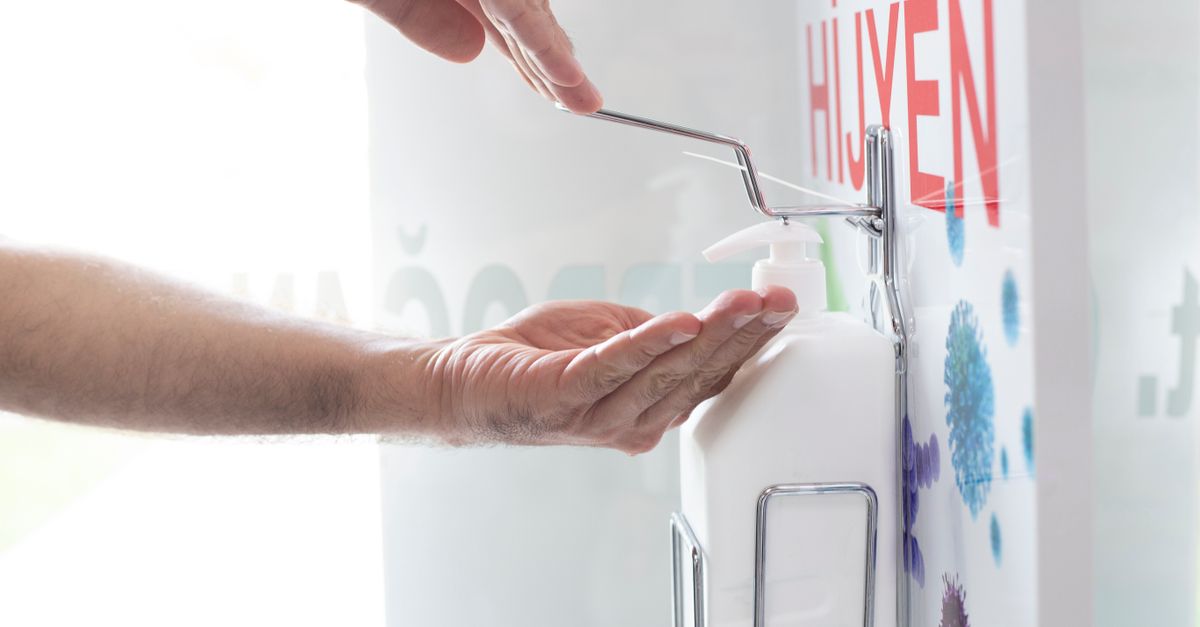
Simplistic wiping does not eliminate pathogens. Sanitization—using EPA‑approved disinfectants or UV light systems—is essential, especially in the wake of COVID‑19 and other respiratory threats. While healthcare facilities have strict protocols, property managers can adopt a scaled version that meets local health codes.
In my experience, integrating a weekly sanitization protocol for high‑touch surfaces saves both time and money by preventing costly outbreaks later.
Essential Sanitization Touchpoints
- Kitchen countertops and appliance handles
- Bathroom fixtures and toilet seats
- Elevator buttons, stair railings, and door knobs
- Shared laundry machines and detergent dispensers
Choose vendors who can provide evidence of disinfectant efficacy and staff training. A vendor that offers a digital audit trail adds accountability and reduces the risk of non‑compliance.
When weighing options, compare chemical disinfectants—such as quaternary ammonium compounds or bleach solutions—to UV‑C light devices. Chemical cleaners typically cost $0.15–$0.30 per square foot but require training and safety gear; UV systems may have a higher upfront cost ($2–$4 per square foot) but lower ongoing consumables and can be automated for continuous coverage.
3. Kitchen Cleaning: The Heart of Tenant Satisfaction
Kitchens are where tenants spend the most time, and they’re also the most likely spot for mold, grease buildup, and pest attractants. A routine kitchen cleaning plan should address both surface hygiene and appliance maintenance.
I’ve seen many managers treat kitchens as “nice to have” instead of essential. That mindset leads to higher tenant complaints and eventual unit loss. Prioritizing kitchen cleanliness keeps units desirable and reduces long‑term repair costs.
Kitchen Cleaning Checklist for Managed Properties
- Daily: wipe countertops, clean stove tops, sweep floors
- Weekly: deep‑clean ovens, refrigerators, cabinets; disinfect door handles
- Monthly: descale faucets, inspect ventilation hoods for grease buildup
- Quarterly: replace filters in HVAC and kitchen exhaust systems
Leverage smart scheduling tools to ensure that each unit receives the appropriate level of cleaning without overlap. When you have a clear checklist, it’s easier to audit compliance and identify cost‑saving opportunities.
A practical addition is a “Clean & Care” guide left in each kitchen. This small sheet reminds tenants to wipe down surfaces after cooking, store food properly, and report any visible mold or pest activity. Educated occupants reduce the burden on cleaning crews and lower the likelihood of costly damage.
4. Balancing Quality and Affordability: The Cost Equation
Cost is always a concern. However, cutting corners on sanitization or kitchen cleaning can lead to higher expenses down the line—tenant turnover, repair bills, or legal liabilities. I’ve found that investing in quality upfront pays off.
Use a cost‑benefit framework: calculate the total cost of ownership (TCO) for each cleaning service, including labor, chemicals, equipment depreciation, and potential penalties from non‑compliance. Compare this against the projected savings from reduced vacancies and lower repair costs.
Key Cost Drivers in Property Cleaning
- Labor rates (influenced by local wage laws)
- Disinfectant and cleaning product expenses
- Equipment purchase or lease terms
- Vendor contract length and volume discounts
- Insurance premiums related to health incidents
Negotiating bulk purchasing agreements for chemicals and equipment often yields significant savings. Additionally, a long‑term vendor partnership can secure lower rates in exchange for guaranteed business.
A quick ROI example: if a high‑risk kitchen sanitization program costs $1,200 per month but prevents a potential 30‑day vacancy that would lose $3,000 in rent, the program pays for itself within two months. These tangible numbers help justify budget allocations to stakeholders.
5. Vendor Selection: A Strategic Decision
A well‑chosen cleaning partner is the backbone of any effective strategy. When evaluating vendors, look beyond price to performance metrics such as:
Vendor Evaluation Criteria
- Certifications (ISO 9001, EPA Safer Choice)
- Track record with similar portfolio sizes
- Technology integration (mobile apps for task tracking)
- Flexibility to scale during peak seasons or emergencies
- Insurance coverage and liability limits
I routinely request a pilot period where the vendor cleans a subset of units while I monitor quality against my checklist. This hands‑on approach reveals gaps that may not surface in proposals.
During negotiations, include service level agreements (SLAs) that specify response times for emergency sanitization, minimum staffing ratios for deep clean days, and penalty clauses for missed deadlines. A well‑drafted SLA protects your investment without locking you into rigid terms.
6. Implementation Checklist & Common Pitfalls
Once you’ve defined scope, selected vendors, and mapped costs, it’s time to roll out the plan. A structured implementation checklist keeps everyone aligned:
Implementation Roadmap
- Create a master schedule (daily, weekly, monthly)
- Assign responsibilities: property staff vs. vendor teams
- Deploy digital tracking (apps or spreadsheets) for real‑time updates
- Set up audit intervals and feedback loops with tenants
- Review performance quarterly and adjust budgets accordingly
Common pitfalls include underestimating labor hours, neglecting to train staff on proper disinfectant use, and failing to document cleaning logs. These mistakes erode trust and inflate costs.
To avoid these issues, implement a rolling audit cycle: every month conduct a random spot‑check of 5% of units, compare findings with the vendor’s digital log, and provide corrective action within 48 hours. Over time this process normalizes high standards and reduces surprise expenses.
By treating cleaning as a strategic investment—one that protects tenant health, preserves property value, and controls expenses—you can maintain high standards without breaking the budget. The right mix of risk‑based scheduling, vendor excellence, and technology integration turns cleaning from an overhead line item into a competitive advantage.
How do you currently balance sanitization requirements with budget constraints in your portfolio? Share specific tactics or challenges you face.


