
How can I choose reliable professional cleaning, laundry, and sanitization services in 2026?
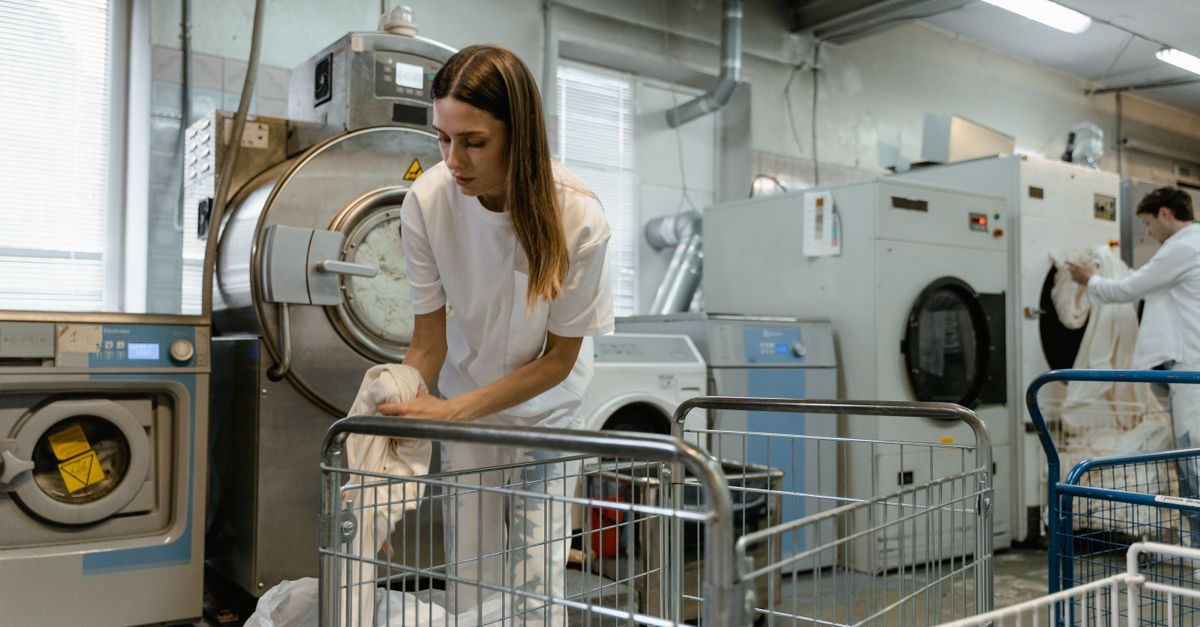
When it comes to maintaining a clean environment—whether it’s my apartment, my office, or a healthcare facility—I need more than just a quick sweep. I need consistent, trustworthy service that meets strict hygiene standards without breaking the bank. In this review I’ll walk through the main categories of cleaning services, explain what to look for in each, and share practical steps so you can make an informed decision by 2026.
Understanding Different Cleaning Service Categories
Cleaning businesses today specialize in a range of tasks. The most common ones I encounter are:
- Professional cleaning – general housekeeping, surface wiping, and floor care.
- Laundry and ironing services – handling bulk loads of clothes with attention to fabric types.
- Dusting and vacuuming – deep removal of dust, pet dander, and allergens.
- Apartment sanitization experts – focused on disinfection protocols for shared living spaces.
- Healthcare facility cleaning – rigorous compliance with infection control standards.
The key is to match the service scope with your specific needs. A general professional cleaner may not have the equipment or certification required for hospital‑grade sanitization, while a laundry specialist might not be able to handle high‑frequency dusting in an office environment.
Key Criteria for Selecting a Professional Cleaning Company
No matter which niche you’re targeting, certain baseline factors apply. I’ve distilled them into five pillars:
1. Licensing and Insurance
A reputable firm will hold valid business licenses and carry liability insurance covering accidental damage or injury on your premises.
2. Staff Training and Certification
Employees should receive training in safe chemical handling, proper use of equipment, and, for healthcare facilities, infection control protocols.
3. Eco‑Friendly Practices
If sustainability matters to you (and it does for most), look for green cleaning agents and waste‑reduction policies.
4. Technology Adoption
Companies that use booking apps, digital checklists, or AI‑driven quality audits tend to deliver more consistent results.
5. Transparent Pricing and Contracts
A clear, itemized quote with no hidden fees is a sign of professionalism.
These criteria form the backbone of every evaluation I conduct before signing a contract.
Evaluating Laundry and Ironing Services
Laundry services are more than just washing. They involve sorting, treating stains, drying, folding, and ironing—each step requiring specific expertise.
- Turnaround time: Look for a turnaround that aligns with your schedule. Most residential providers offer same‑day or next‑day service; commercial accounts may have weekly cycles.
- Quality checks: Ask whether they inspect garments before and after cleaning to spot damage or missed stains.
- Fabric care knowledge: Delicate items (silk, wool) require special detergents. A good provider will ask for garment type before processing.
- Pricing per pound or item: Compare rates across providers and note any volume discounts.
- Additional services: Some firms offer dry‑cleaning, stain removal, and garment repair—useful if you need a one‑stop shop.
In my experience, the most reliable laundry partners are those who treat each load like it’s their own. They’re meticulous about sorting and never rush the drying cycle, which reduces wrinkling and extends fabric life.
Assessing Dusting and Vacuuming Quality
A clean surface is only part of a healthy environment. The real battle against allergens lies in how thoroughly dust and vacuum are performed.
- Equipment: HEPA‑filtered vacuums capture 99.97% of particles as small as 0.3 microns—essential for asthma or allergy sufferers.
- Technique: Professionals should move in overlapping passes, use attachments for tight spaces, and avoid “sweep” motions that stir dust back into the air.
- Frequency options: Weekly, bi‑weekly, or monthly plans allow you to balance cost with cleanliness needs.
- Surface protection: Use of microfiber cloths reduces static cling and lifts fine particles without scattering them.
A common mistake I see is hiring a generic cleaning crew that relies on standard vacuums. The result? Dust re‑accumulates quickly, and indoor air quality drops.
Apartment Sanitization Experts: What Makes Them Stand Out?
Shared living spaces present unique hygiene challenges. Apartment sanitization experts go beyond routine cleaning to focus on disinfection protocols that meet or exceed local health guidelines.
- EPA‑registered disinfectants: Only certified chemicals should be used for high‑touch surfaces.
- UV or ozone technology: Some providers incorporate UV‑C light or ionized air systems to kill residual microbes after chemical application.
- Safety certifications: Look for OSHA compliance records and evidence of regular training updates.
- Resident communication: Transparent schedules, notification of chemicals used, and post‑cleaning reports build trust.
From my perspective, the most effective apartment sanitizers are those who blend chemical disinfection with mechanical cleaning—first wiping down surfaces, then applying a disinfectant that’s proven to work against viruses and bacteria.
Healthcare Facility Cleaning Standards and Compliance
Cleaning in hospitals or clinics is a regulatory minefield. Failure to comply can lead to severe penalties and endanger patients.
- Infection control protocols: Adherence to CDC guidelines, including contact precautions for MRSA, C. difficile, and other nosocomial pathogens.
- Staff credentials: Employees must hold certifications such as Certified Clinical Cleaner (CCC) or Occupational Health & Safety qualifications.
- Documentation: Detailed logs of cleaning times, chemicals used, and inspection results are mandatory for audits.
- Equipment sterilization: Use of autoclaves or disposable wipes to prevent cross‑contamination.
I’ve reviewed several healthcare cleaners. Those with a robust quality assurance program—daily self‑audits followed by supervisory checks—consistently outperform others in both speed and accuracy.
Cost Considerations Across Service Types
Pricing structures vary widely across cleaning categories, but certain patterns emerge:
- Professional cleaning: Typically billed per square foot or hourly rate; bulk discounts apply for larger properties.
- Laundry services: Charged by pound or item; volume discounts are common for commercial accounts.
- Dusting/vacuuming: Flat fee per visit with optional add‑ons (carpet shampoo, upholstery cleaning).
- Apartment sanitization: Often a premium price due to specialized disinfectants and equipment.
- Healthcare facility cleaning: Highest cost tier because of compliance requirements; contracts are usually long‑term and include penalties for non‑compliance.
When comparing quotes, look beyond the headline number. Ask for a breakdown: how many hours or pounds will be used? Are there extra charges for high‑risk areas? A transparent cost model saves headaches later.
Common Mistakes to Avoid When Hiring a Cleaner
Even seasoned professionals can fall into pitfalls that undermine the service quality.
- Ignoring insurance: Uninsured cleaners expose you to liability if something is damaged or someone gets injured.
- Vague contracts: A contract that doesn’t specify cleaning standards, frequency, and reporting mechanisms leaves room for misinterpretation.
- Lack of communication channels: Without a dedicated point of contact, issues can go unresolved.
- Overlooking references: Skipping reference checks or testimonials may hide recurring problems.
A practical rule: treat the hiring process like any other investment. The cheapest option often ends up costing more in missed deadlines, rework, and potential health risks.
Technology and Automation in Cleaning Services
The cleaning industry is embracing tech faster than many people realize. Here’s what to look for:
- Online booking platforms: Enable scheduling, rescheduling, and real‑time updates via a mobile app.
- Smart checklists: Digital forms that log each task completed, along with photo evidence.
- AI‑driven quality control: Some providers use computer vision to detect missed spots or improper technique.
- IoT sensors: Devices that monitor humidity and dust levels in real time can trigger alerts for additional cleaning cycles.
I’ve trialed a few tech‑enabled services. The ones that integrate booking with performance analytics deliver the most consistent results because they provide data you can review after each visit.
How to Conduct a Trial or Audit Before Signing Long-Term
A short, paid trial period is an excellent way to gauge quality without committing fully.
- Set clear expectations: Provide a detailed checklist of tasks and desired outcomes.
- Use a scoring rubric: Rate each task on cleanliness, timeliness, and professionalism.
- Collect feedback from all stakeholders: Residents, staff, or family members who see the work firsthand.
- Review post‑service reports: Ensure they contain the promised details—chemical names, hours worked, any incidents.
After the trial, compare the results against your baseline. If gaps remain, discuss adjustments before signing a long-term contract.
Final Decision-Making Checklist
- Verify licensing and insurance status.
- Confirm staff training aligns with your service category.
- Request an itemized quote with no hidden fees.
- Check for eco‑friendly or green certifications if that matters to you.
- Ask for references and read online reviews.
- Ensure they use technology that matches your expectations for transparency.
- Set a trial period before committing long-term.


