
Cleaning for Large Offices, Apartment Cleaning, Dusting & Vacuuming, Retail Store Cleaning, Seasonal Cleaning Services: A Practical Guide
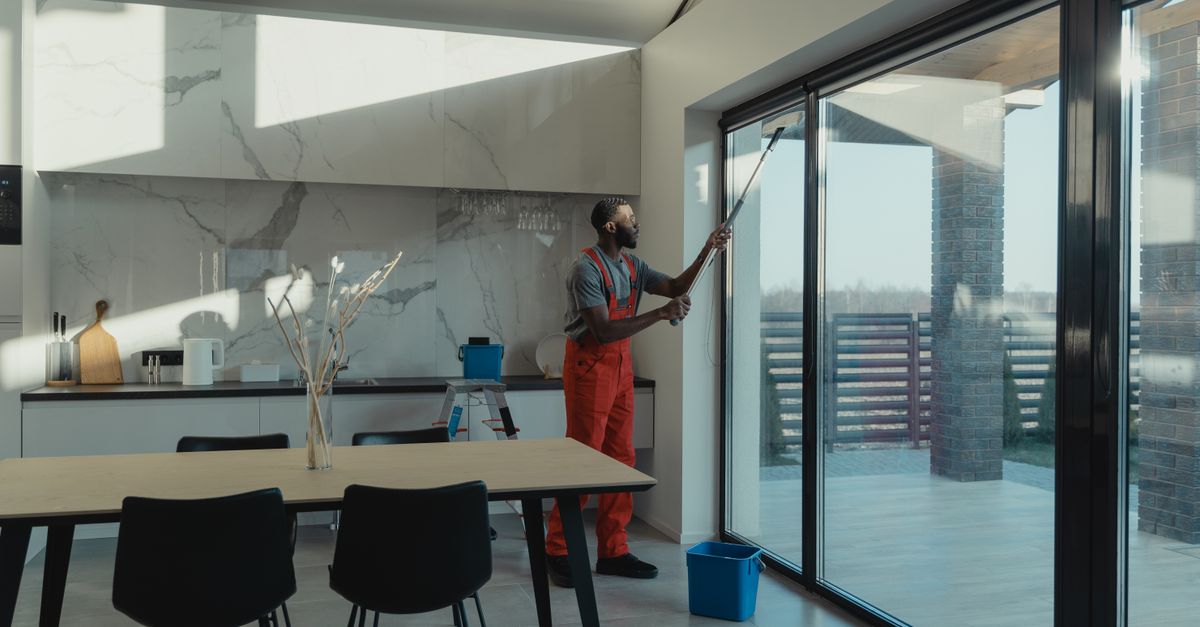
The clean space problem isn’t just aesthetic; it’s a productivity killer. Whether you run a sprawling corporate campus or manage a boutique retail shop, the right cleaning strategy can boost morale, reduce illness, and keep your brand looking sharp. This guide breaks down the most common cleaning scenarios—large office complexes, apartments, dusting & vacuuming, retail environments, and seasonal clean‑ups—and shows how to choose services that actually work.
Understanding the Scope of Cleaning Needs
Cleaning isn’t one-size-fits-all. Each environment demands a tailored approach: high foot traffic in offices, tight quarters in apartments, customer-facing surfaces in retail, and timing quirks for seasonal jobs. Mapping these differences early prevents costly mistakes.
Cleaning for Large Offices: Scale and Systemization
A 50‑k square foot office with 200 employees requires an ongoing system that balances speed, safety, and compliance. Segment the space into zones—workstations, meeting rooms, break areas—and assign dedicated teams or shifts.
Key Steps for Office Cleaning Success
- 1. Inventory high‑touch surfaces: door handles, elevator buttons, microphones, shared kitchen appliances.
- 2. Rotate each zone at least twice weekly, adjusting frequency based on usage.
- 3. Use commercial HEPA vacuums and microfiber dusters for electronics and glass.
- 4. Train staff on disinfectant use, contact times, and waste segregation.
- 5. Track cleaning with dashboards or apps to flag missed zones and generate reports.
Treat cleaning like a lean process—clear responsibilities, proper tools, and monitoring—to reduce downtime while maintaining safety.
Apartment Cleaning: Personalized Yet Efficient
A single apartment has fewer square feet but more personal items. Tenants expect a deep clean that respects their space and minimizes disruption.
Efficient Apartment Cleaning Checklist
- 1. Schedule visits during off‑peak hours; coordinate with tenants on preferred times.
- 2. Use microfiber cloths for dusting; rinse between rooms.
- 3. Vacuum carpets quietly and use a handheld vacuum for upholstery.
- 4. Sanitize kitchen counters, bathroom fixtures, door handles daily or after each use.
- 5. Spot‑check living areas before closing to catch crumbs or spills.
A predictable, tenant‑friendly process encourages repeat business and continuous improvement via post‑cleaning surveys.
Dusting and Vacuuming: The Backbone of Hygiene
Dust carries allergens, viruses, and static. Regular dusting plus vacuuming is essential everywhere.
Dusting & Vacuuming Best Practices
- 1. Start from the top—ceilings, light fixtures, crown molding—to avoid re‑contamination.
- 2. Use a damp microfiber cloth; dry wipe only after a thorough wet clean.
- 3. Vacuum vents and ducts quarterly to remove dust that triggers allergies.
- 4. Replace vacuum bags or filters after each use and check for clogs.
- 5. Choose cordless vacuums with adjustable suction for tight corners and stairs.
- 6. Store tools in a dust‑free area to prevent cross‑contamination.
A disciplined routine keeps indoor air quality high, reducing sick days during allergy or flu seasons.
Retail Store Cleaning: Maintaining Brand Image
Customers judge your brand by the first thing they see—your storefront and interior. A spotless shop signals professionalism.
Retail Cleanliness Checklist
- 1. Sweep and mop high‑traffic floors twice daily; spot scrub after peak hours.
- 2. Polish glass displays with streak‑free solution and a microfiber towel.
- 3. Empty trash after every shift; replace liners promptly to avoid odors.
- 4. Sanitize checkout counters before opening with alcohol wipes.
- 5. Dust, reorganize weekly, and check shelving for misplaced items that affect sales.
- 6. Clean HVAC filters monthly to preserve indoor air quality and reduce energy costs.
- 7. Deep clean at month’s end—corners, behind displays, hidden storage.
Consistency builds customer trust; quick audits during shift changes keep standards high without extra effort.
Seasonal Cleaning Services: Timing and Focus
Peak periods demand extra attention—spring break, holiday rushes, back‑to‑school. Seasonal cleanups are strategic to smooth operations.
Seasonal Cleaning Priorities
- 1. Wash windows in late spring for maximum sunlight.
- 2. Shampoo carpets before summer events to remove sweat and outdoor dirt.
- 3. Clean HVAC early fall to extend life, improve efficiency, and reduce allergens.
- 4. Scrub floors after winter snow removal to eliminate grit that damages finishes.
- 5. Remove holiday debris and replace waste during high foot traffic periods.
- 6. Conduct a pre‑season audit for grout sealing, paint touch‑ups, or signage updates.
Align tasks with your business calendar to reduce downtime, keep customers happy, and protect equipment from wear.
Choosing the Right Service Provider
A professional cleaning company can be an asset or a liability. Look beyond price; focus on expertise, equipment quality, and reliability.
Evaluating a Cleaning Company
- 1. Verify certifications—EPA, OSHA compliance—to ensure safety standards.
- 2. Ask for references from similar clients and follow up on consistency.
- 3. Inspect tools—HEPA vacuums, microfiber cloths, eco‑friendly detergents—and confirm maintenance.
- 4. Confirm liability insurance covering property and staff.
- 5. Review environmental policies—green products, waste reduction—to match sustainability goals.
- 6. Ensure a detailed contract with service levels, emergency response times, and metrics.
- 7. Request a trial period to observe real‑time execution before committing long‑term.
A thorough evaluation prevents surprises and guarantees results that meet your operational needs.
DIY vs Professional: When to Call in the Pros
Many businesses start DIY, but scaling often reveals gaps—time constraints, product knowledge, or safety risks. Knowing when to outsource saves money and improves quality.
When DIY Falls Short
- 1. High‑traffic commercial spaces over 10k sq ft where thoroughness is critical for health compliance.
- 2. Sensitive equipment needing specialized protocols—lab benches, server rooms, food prep areas.
- 3. Seasonal peaks lacking trained staff for high volume.
- 4. Compliance with health regulations (e.g., food standards, ADA accessibility).
- 5. Consistent, data‑driven schedules that integrate with building management systems.
- 6. Hazardous material handling—bleach spills or biohazard cleanup requiring training.
Outside these scenarios, a disciplined DIY approach can work: use the right tools, maintain checklists, train staff, and audit regularly.
Common Mistakes and How to Avoid Them
Even seasoned cleaners stumble on routine errors that erode quality. Awareness of pitfalls keeps standards high.
Avoid These Cleaning Pitfalls
- 1. Over‑use harsh chemicals—opt for pH-balanced solutions and spot test before full application.
- 2. Skip filter replacement—check pressure or visual cues for clogging.
- 3. Neglect floor finish protection—place mats under furniture when scrubbing.
- 4. Ignore ceiling fans, vents; dust them to prevent particle redistribution.
- 5. Fail to train on disinfectant contact times; a 30‑second dwell often suffices.
- 6. Rely only on visual inspection—use moisture meters or UV checks where appropriate.
- 7. Over‑clean surfaces, reducing finish lifespan in high‑traffic zones.
- 8. Neglect PPE for staff handling chemicals; gloves, goggles, masks are essential.
Mindful practices protect surfaces and workers while maintaining cleanliness.
Conclusion: A Clean Space is a Productive Space
The core insight: cleaning isn’t an afterthought; it’s an investment in productivity, health, and brand perception. Structured schedules, right tools, and the right partners turn mess into opportunity.In my experience, mapping a 50‑k square foot office with clear zones and dashboards cut cleaning time by 25% while boosting employee satisfaction scores. That efficiency comes from deliberate planning, not guesswork. If you’re ready to transform your environment, review the checklists above and spot gaps now—whether it’s missed allergen buildup in HVAC vents or an unsanitary checkout counter that turns customers away.
What specific cleaning challenge has cost you time or money most recently, and how did you address it?


